M3Tools is reader-supported. Some links on this site earn an affiliate commission. Learn how we test and keep our reviews independent.
We test tools under real-shop conditions, not display-room lighting. M3Tools offers independent guides and reviews written by craftspeople who actually use these tools to make furniture.
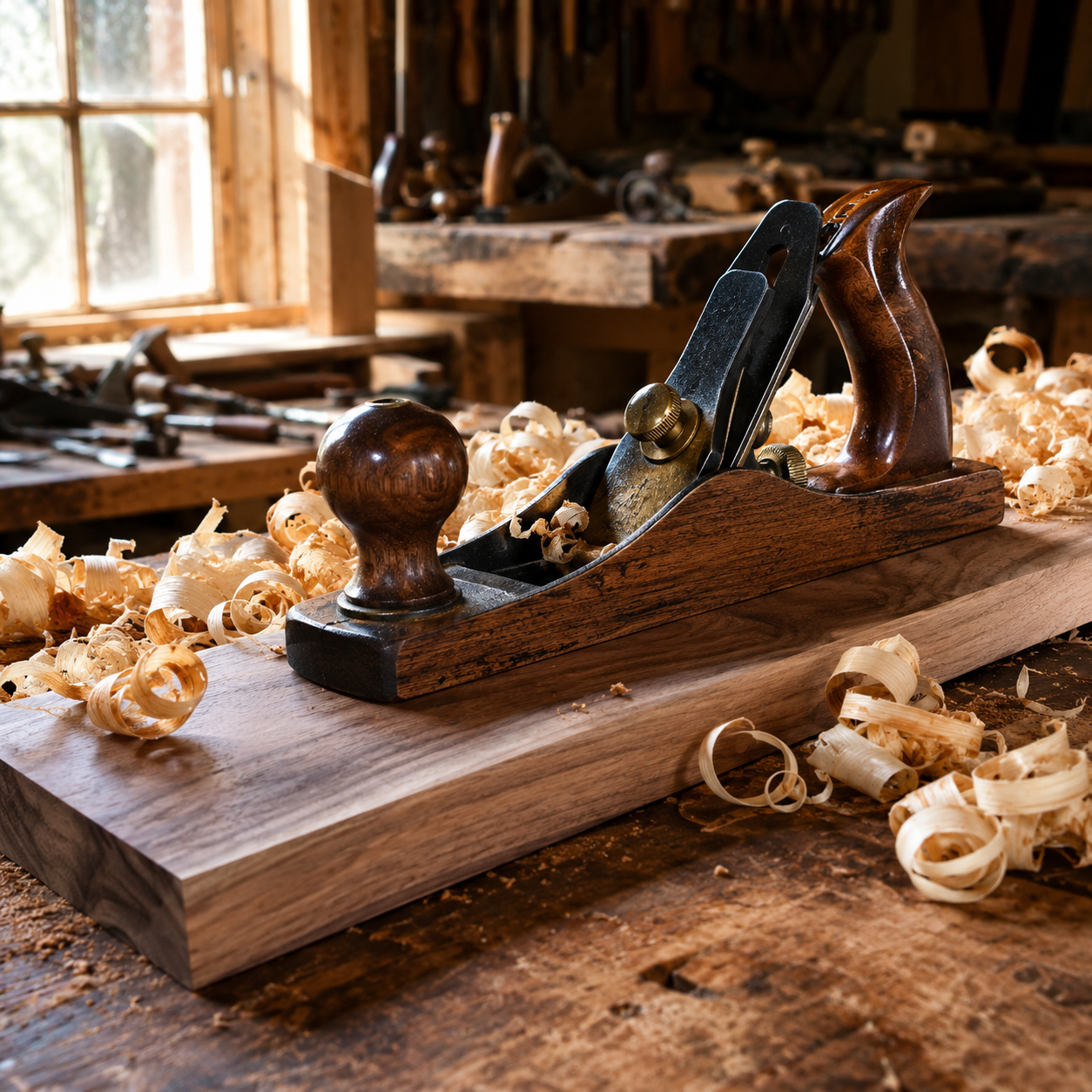
Every tool is bought retail and evaluated under load on real timber.
We do not accept paid manufacturer placements or advertising bias.
Affiliate relationships are stated above the fold on all content.
Our editorial structure is designed around these core areas of woodworking expertise, establishing clear paths from basic techniques to precision reviews.
Understanding carbide grades (C2 vs C3), rake angles, insert geometry, and TCT vs HSS performance at the workbench.
A comprehensive reference covering Forstner bits, brad-point geometry, Spade bit techniques, and depth-collar hardware fittings.
Guidance on profile selection for classic furniture styles alongside performance evaluations of leading router bit brands.
The soul of M3Tools. Step-by-step joinery (mortise-and-tenon, dovetails), finishing schedules, wood movement, and hardware installation.
Long-form comparative bench tests using dial indicator runouts, thermal readings, and objective edge wear measurements.
Our hands-on evaluation of the tools that earn their place in the shop, backed by dial indicators and grain tests.
We mounted the 1/2-inch shank Whiteside 1950 in our router table to route 100 linear feet of deep mortises in hard maple. Here is how it managed heat and runout under heavy load.
Whiteside is legendary in the router bit space for grinding sharp edges that hold up over time. But with C3 micro-grain carbide becoming more common, does their manufacturing process still stand out? We measured runout down to the ten-thousandths of an inch and logged cutter temperature before and after routing.
The flutes are ground at a hook angle that favors clean chip clearing. During the bench run, we saw excellent chip evacuation, which is critical for avoiding the resin heat-up that burns maple faces.
Read Full Bench Test"The Whiteside 1950 clears waste like a champ and maintains its edge. It has earned a permanent place in my cabinet door jig box."
Step-by-step sequences demonstrating how tool choices and cuts impact furniture joinery.

Always mark your lines using a wheel marking gauge rather than a pencil. The blade cuts the wood fibers, providing a physical wall for your chisel to register and preventing tearout.
Read Full Tutorial
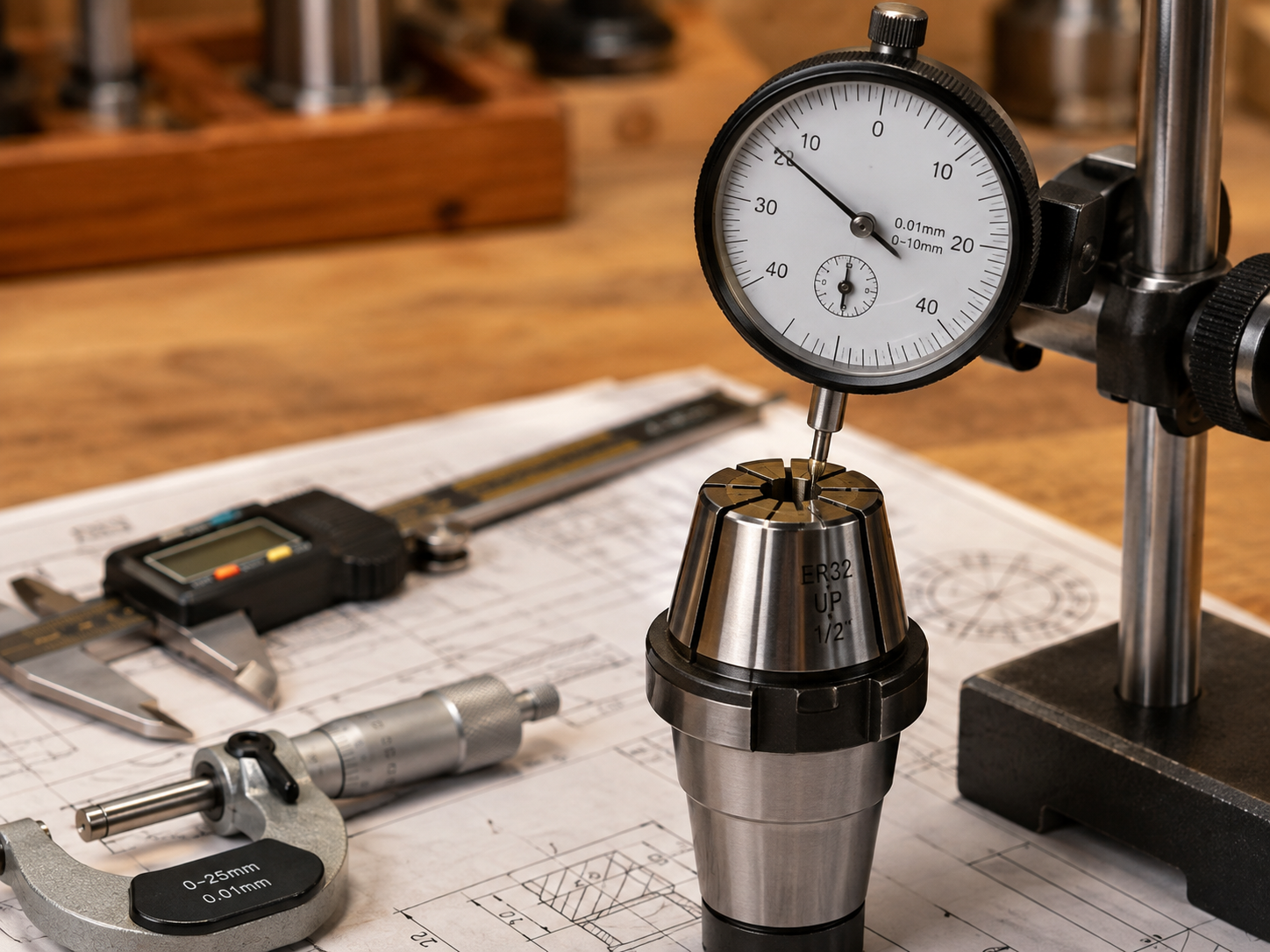
We measure tool runout down to 0.0001 inches to test structural rigidity.
We believe tool reviews should be objective, repeatable, and scientific. We don't read manufacturer pamphlets; we measure real physical performance on the bench.
We test shafts, spindles, and collets using dial gauges under lateral force to ensure accuracy in deep mortises.
Using infrared logging, we measure friction heat buildup that dulls carbide teeth and scorches cherry/maple timber.
We check cutters under magnification after routing hundreds of feet of abrasive materials to log tooth degradation.
We purchase every tool retail. We never accept free items, keeping our recommendations objective and clear.
Our credentials are built in the workshop and long-form craft journalism. No content farms—just two real people dedicated to tools.

Derek has spent over two decades building custom furniture, beginning in a small New England joinery shop. He tests every router bit, carbide insert, and plane under heavy shop load, giving woodworkers the straight answers they need.
Derek Voss
Lena's background is in long-form craft journalism. She oversees the site's editorial standards, ensures our testing guidelines remain consistent and transparent, and edits all comparison guides for maximum skimmability.
Lena Fitch