
Wood joinery is the core of furniture construction. It is where design meets engineering. Because wood constantly expands and contracts with changes in seasonal humidity, joints must be designed to accommodate this movement while bearing mechanical loads. Let’s look at the primary joints used in furniture making.
Mortise and Tenon: The King of Timber Joinery
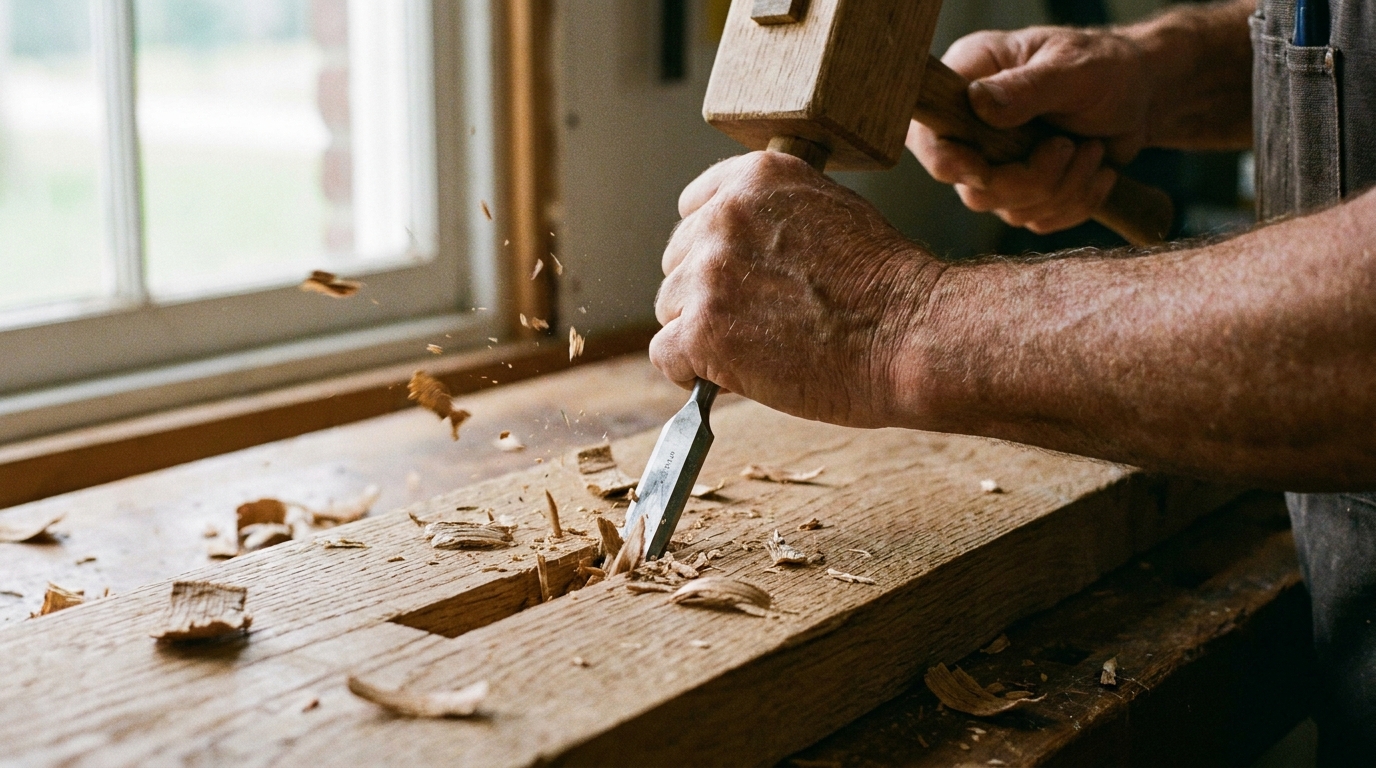
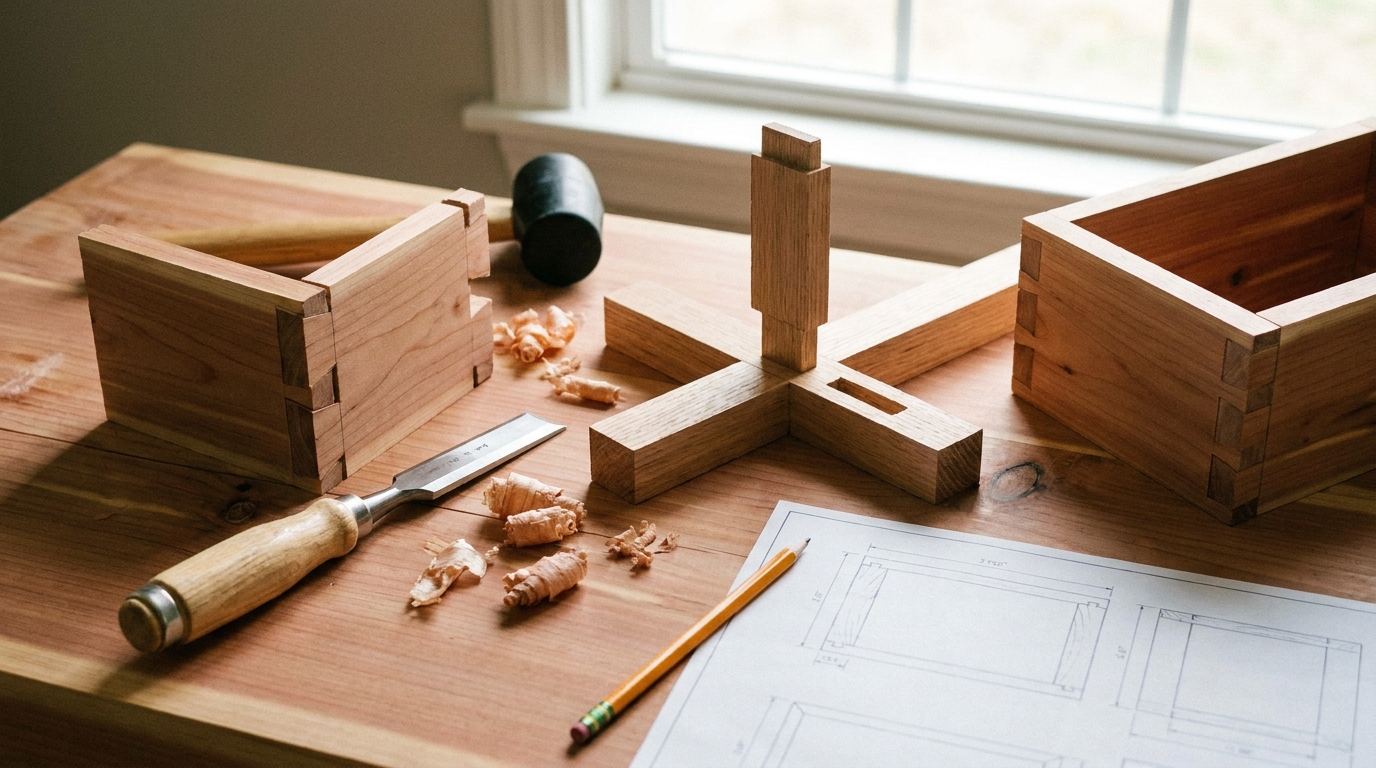
The mortise and tenon is one of the strongest joints in woodworking. Comprising a projecting tenon on one member fitted into a recess (the mortise) on another, it offers massive gluing surface area and mechanical strength. It is the standard choice for table frames, chairs, and cabinet face frames.
Dovetail Joints: Mechanical Locking and Visual Appeal
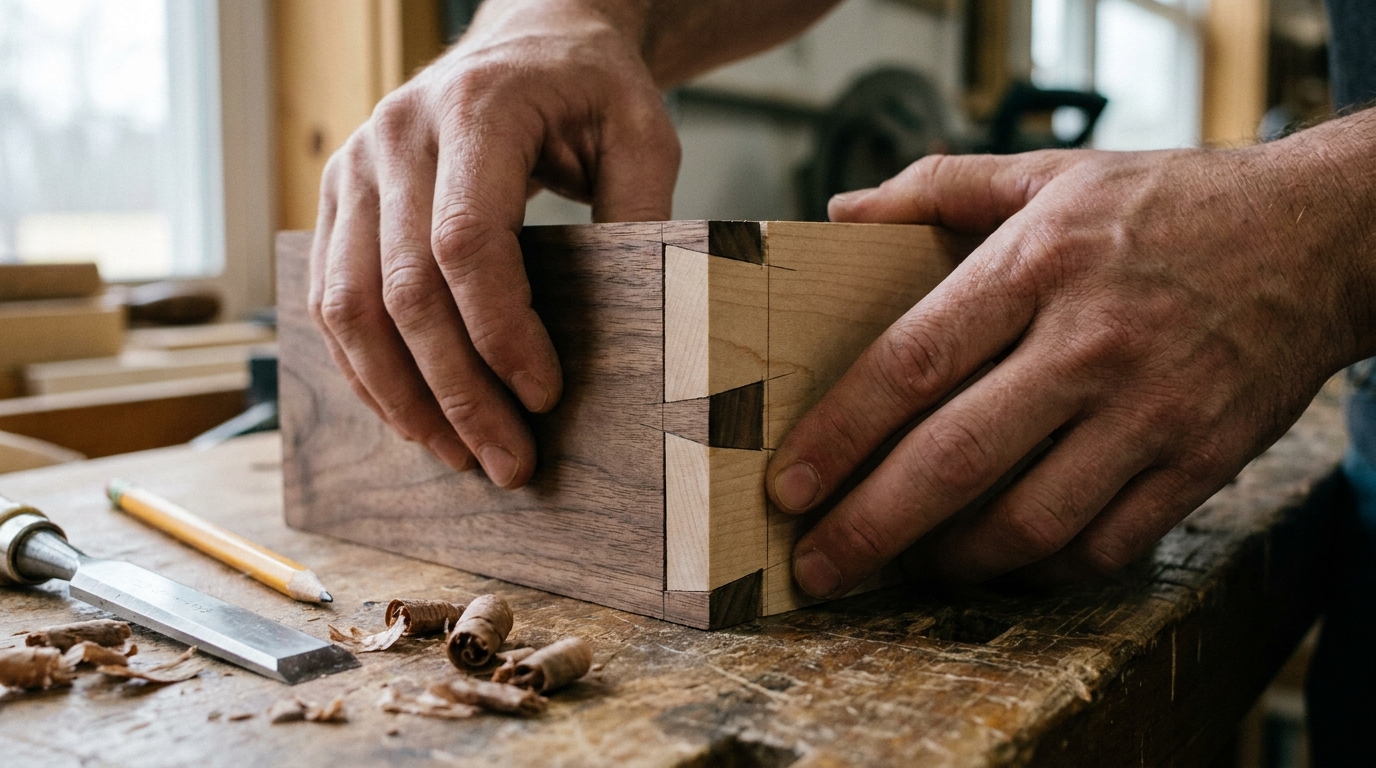
Dovetails are the hallmark of fine craftsmanship. The wedge-shaped pins and tails interlock mechanically, preventing the joint from sliding apart in one direction. This makes dovetails ideal for drawer construction, where the front pull force tends to pull the joints apart. Additionally, they add a beautiful, decorative contrast when different wood species are used.
Dowel Joints: The Modern Alternative
For quick alignment and strength in modern panel construction, dowel joints are an excellent choice. When executed with high-quality drill bits and self-centering jigs, dowels provide strong alignment and glue surface without the time investment of mortise and tenon joinery.
Wood Movement: The Unyielding Force
Always remember that wood moves across the grain, never along its length. A wide tabletop must be secured to its frame using mechanical fasteners (like z-clips or pocket holes) that allow the table to expand and contract across its width, otherwise the wood will crack or warp over time.
Video Guide: Wood Joinery Guide – All Essential Joints
For details on cutting mortises, read our guide on The Mortise and Tenon: Fitting the Joint by Hand. To master drawer building, see Dovetail Joinery: Layout, Sawing, and Cleaving.
For advanced joinery design guidelines, see the reference articles at Fine Woodworking Magazine.
Have questions or feedback about this guide? Get in touch with our editorial team on our Contact Us page.