
For decades, High-Speed Steel (HSS) was the undisputed king of the woodworking shop. But as modern woodworkers demand tighter tolerances and longer tool life—especially when working with abrasive materials like MDF, plywood, and dense exotic hardwoods—carbide has taken over the bench. However, not all carbide is created equal.
Grades of Carbide: C2 vs C3 Micro-grain
To understand carbide performance, you must understand cobalt binders. Tungsten carbide is a powder that must be cemented together using cobalt. The size of the carbide grains dictates the tool’s performance:
- C2 Carbide (Coarse/Medium Grain): Larger grains, typically 1 to 3 microns. C2 is extremely tough and highly resistant to shock and chipping, making it ideal for roughing cuts or heavy-duty lathe work. However, it cannot hold a razor-sharp edge as long as finer grades.
- C3 Carbide (Micro-grain): Sub-micron grains (usually 0.5 to 0.8 microns). C3 carbide has a much higher density of grains, allowing manufacturers to grind a sharper cutting edge. It holds its edge significantly longer than C2 but is slightly more brittle. For precision furniture making and routing, C3 is the standard you should look for.
Rake Angles and Insert Geometry
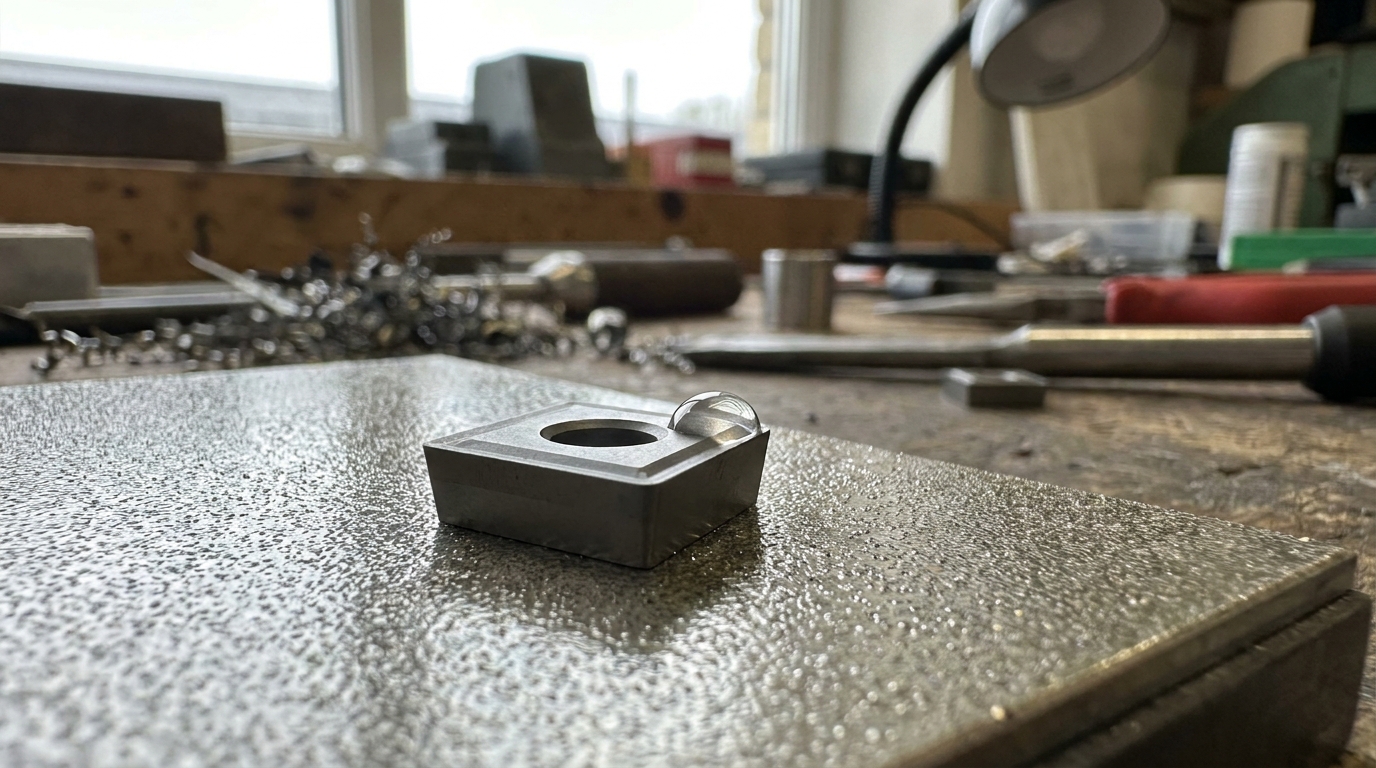
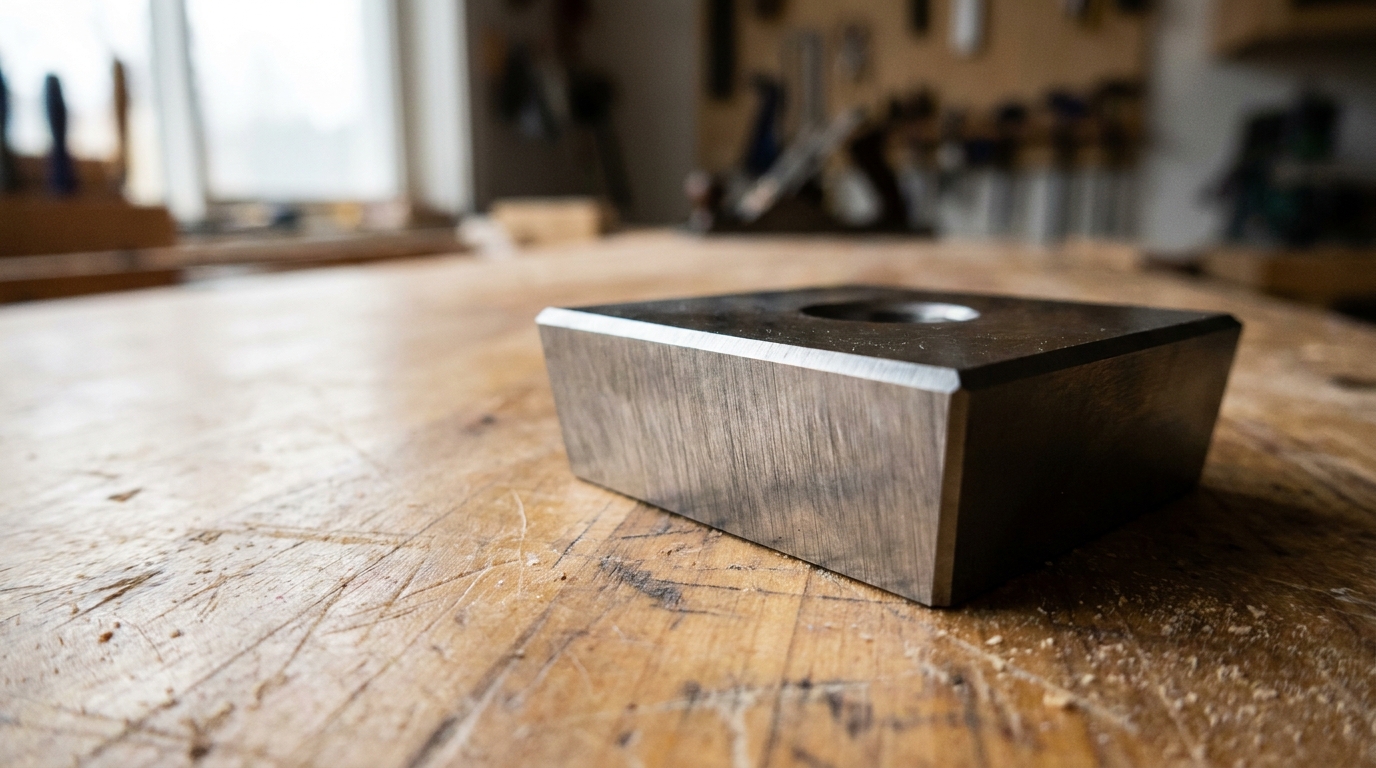
In woodcutting, the rake angle—the angle at which the cutting edge meets the wood fibers—is critical. A positive rake angle lifts and shears the wood fibers, producing clean curls and low tearout. Negative rake angles scrap the surface, which is useful in turning acrylics but disastrous for face grain in cherry or walnut. When selecting carbide inserts for turning tools or jointer cutterheads, look for polished face geometry with a 10-to-15-degree positive rake angle to minimize chip load and tearout.
TCT vs HSS: The Bench Comparison
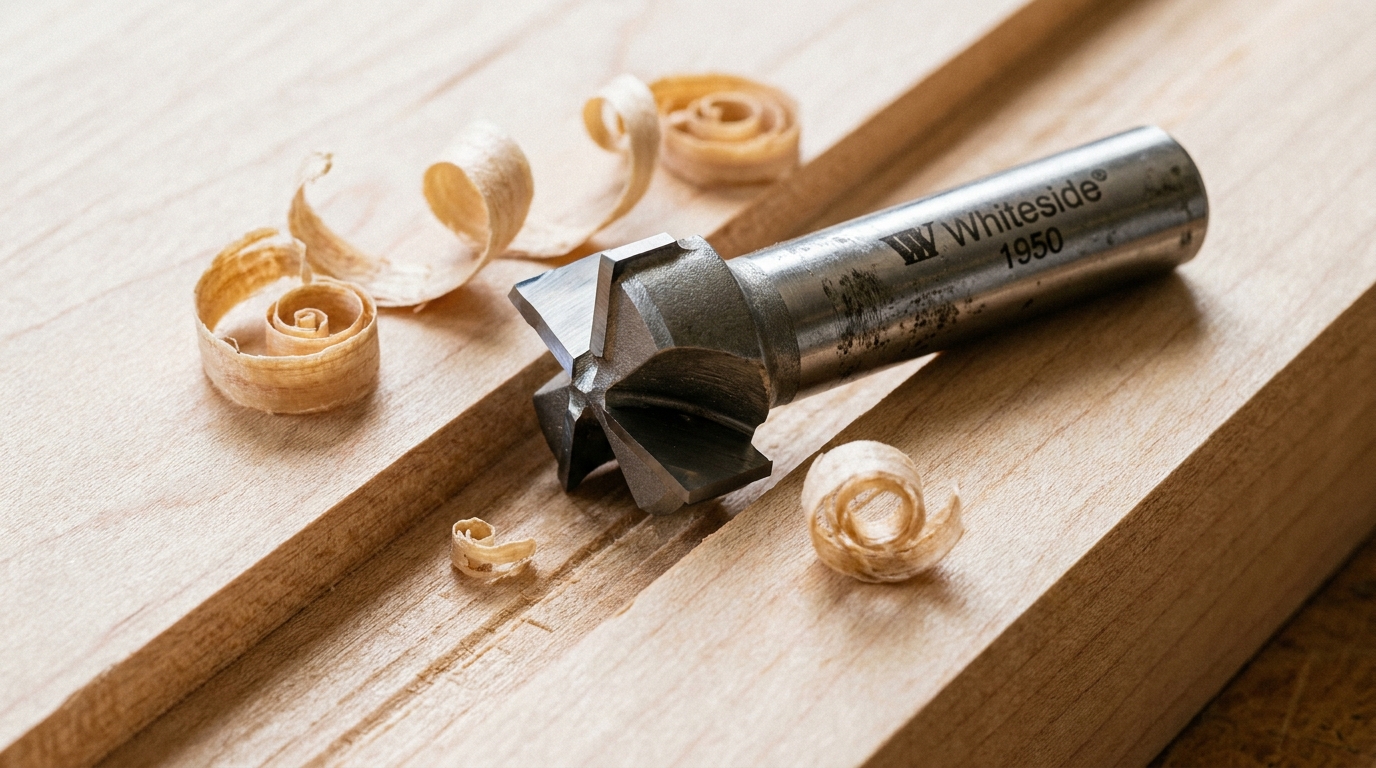
In my own shop, I compared a Tungsten Carbide Tipped (TCT) router bit with an equivalent HSS bit in hard maple. While HSS is initially sharper because its grain structure allows a finer grind, it dulled after just 50 linear feet of routing. The C3 carbide bit, although slightly less sharp out of the box, maintained its clean shoulder-cutting ability for over 600 feet without burning the wood. For longevity, carbide is the clear winner, but for delicate, low-speed hand-planing where ultimate sharpness is required, high-carbon steel still holds a place.
Sharpening Intervals and Maintenance
Many woodworkers believe carbide cannot be sharpened. That is a myth. While you cannot sharpen carbide on standard waterstones, a 1200-grit diamond plate with a drop of lapping fluid will easily hone the flat face of a carbide insert, extending its life by three to four cycles before requiring replacement. Always check the manufacturer specifications for grinding tolerances before attempting to modify bit geometry.
Video Guide: Carbide Woodworking Tools Complete Guide
For more detailed tool reviews, check out my Whiteside 1950 Router Bit Review or read about maintaining insert profiles in our guide on Insert Tooling Sharpening and Geometry.
For safety guidelines regarding tool rotation speeds and shank specifications, refer to the OSHA Router Safety Standard (1910.213).
Have questions or feedback about this guide? Get in touch with our editorial team on our Contact Us page.