

The router is perhaps the most versatile tool in the modern woodshop. By swapping out cutterheads, a router can cut joinery, shape custom profiles, trim laminate, and carve complex contours. But choosing the right bit and operating it safely requires understanding some fundamental principles of router bit dynamics.
Shank Size: 1/4-inch vs 1/2-inch
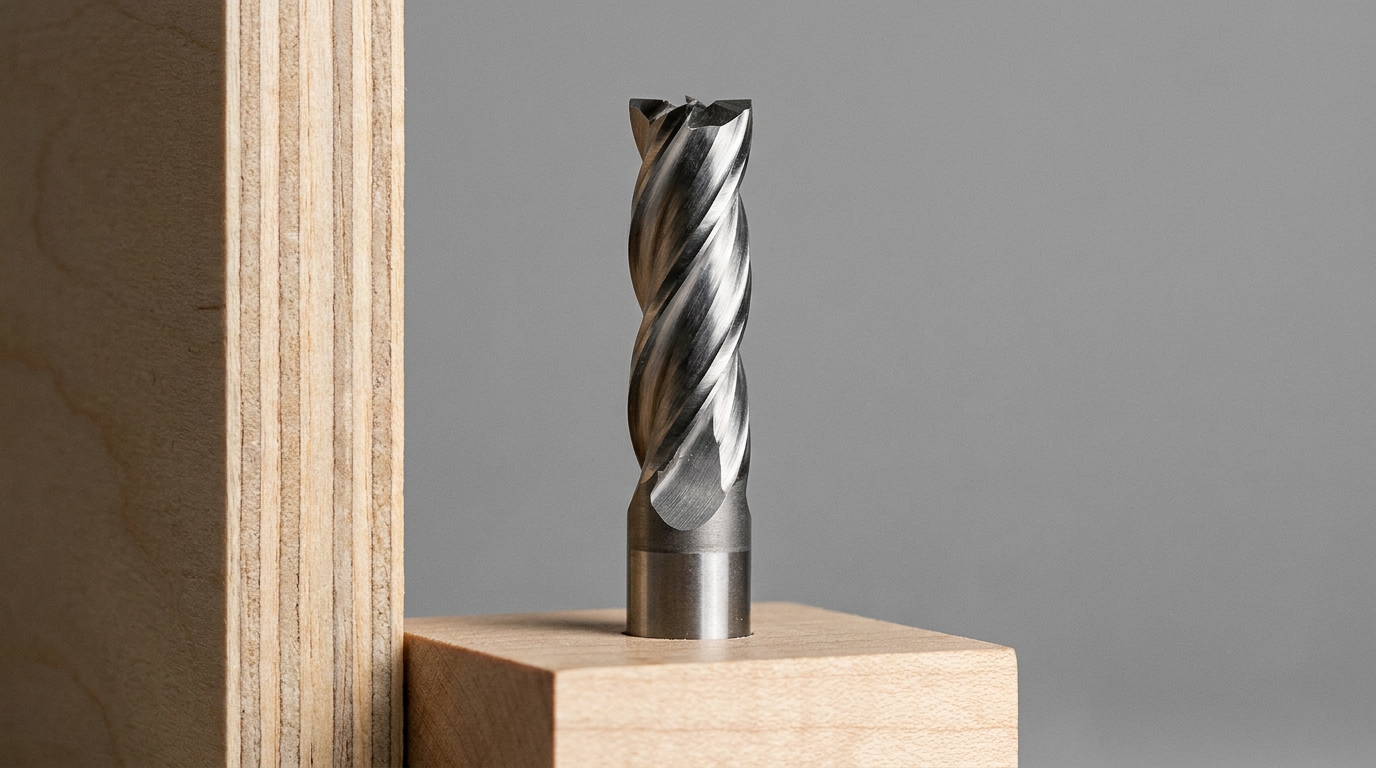
Always choose 1/2-inch shank bits whenever they are available. The thicker shank has more than four times the mass of a 1/4-inch shank, which significantly reduces flex and runout. This stability results in cleaner cuts and longer tool life. 1/4-inch shanks should be reserved only for small trim routers or light detailing work.
Speed Selection and Safety
The speed of your router must be matched to the diameter of the bit. Using a large panel-raising bit at 22,000 RPM can cause catastrophic bit failure or severe burning. Follow this guide for speed selection:
- Bits up to 1-inch diameter: 22,000 to 24,000 RPM
- Bits 1-inch to 2-inch diameter: 18,000 to 20,000 RPM
- Bits larger than 2-inch diameter: 12,000 to 16,000 RPM
Routing Templates and Bearing Guides
Pattern routing utilizes a bearing mounted on the shank or the tip of the bit to follow a template. Always ensure the bearing rotates freely before turning on the machine. A frozen bearing will friction-burn your template and ruin your workpiece instantly.
Video Guide: Router Bits – The Complete Guide
For brand reviews, read our Amana Solid Carbide Spiral Compression Bit Review. To learn how profiles dictate furniture style, see our guide on Profile Selection for Furniture Styles.
For safety guidelines and standards, check the official OSHA Hand and Power Tool Safety Manual.
Have questions or feedback about this guide? Get in touch with our editorial team on our Contact Us page.