The Woodworker's Honest, Bench-Tested Reference
We test tools under real-shop conditions, not display-room lighting. M3Tools offers independent guides and reviews written by craftspeople who actually use these tools to make furniture.
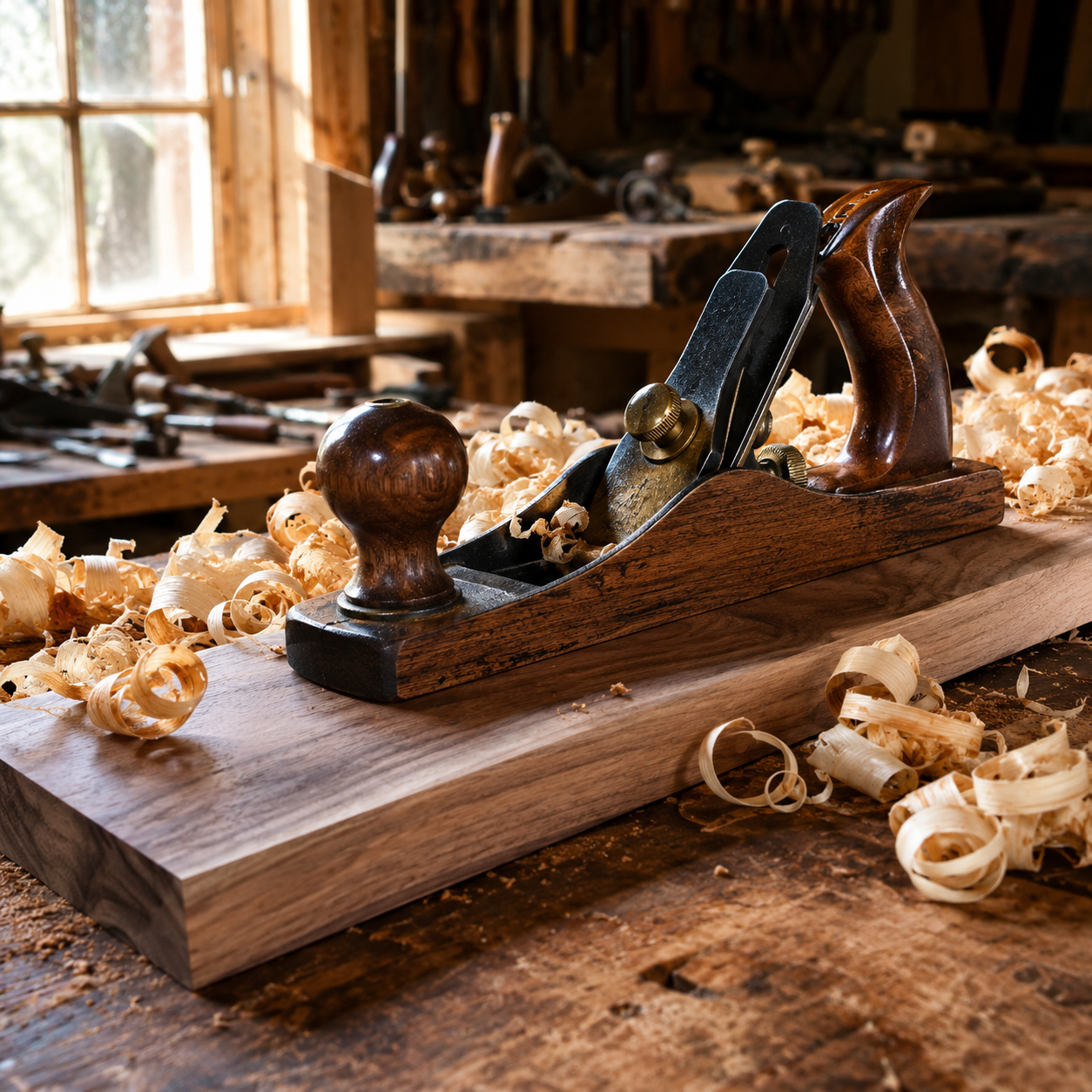
Interactive Technique Guide
Step-by-step sequences demonstrating how tool choices and cuts impact furniture joinery.
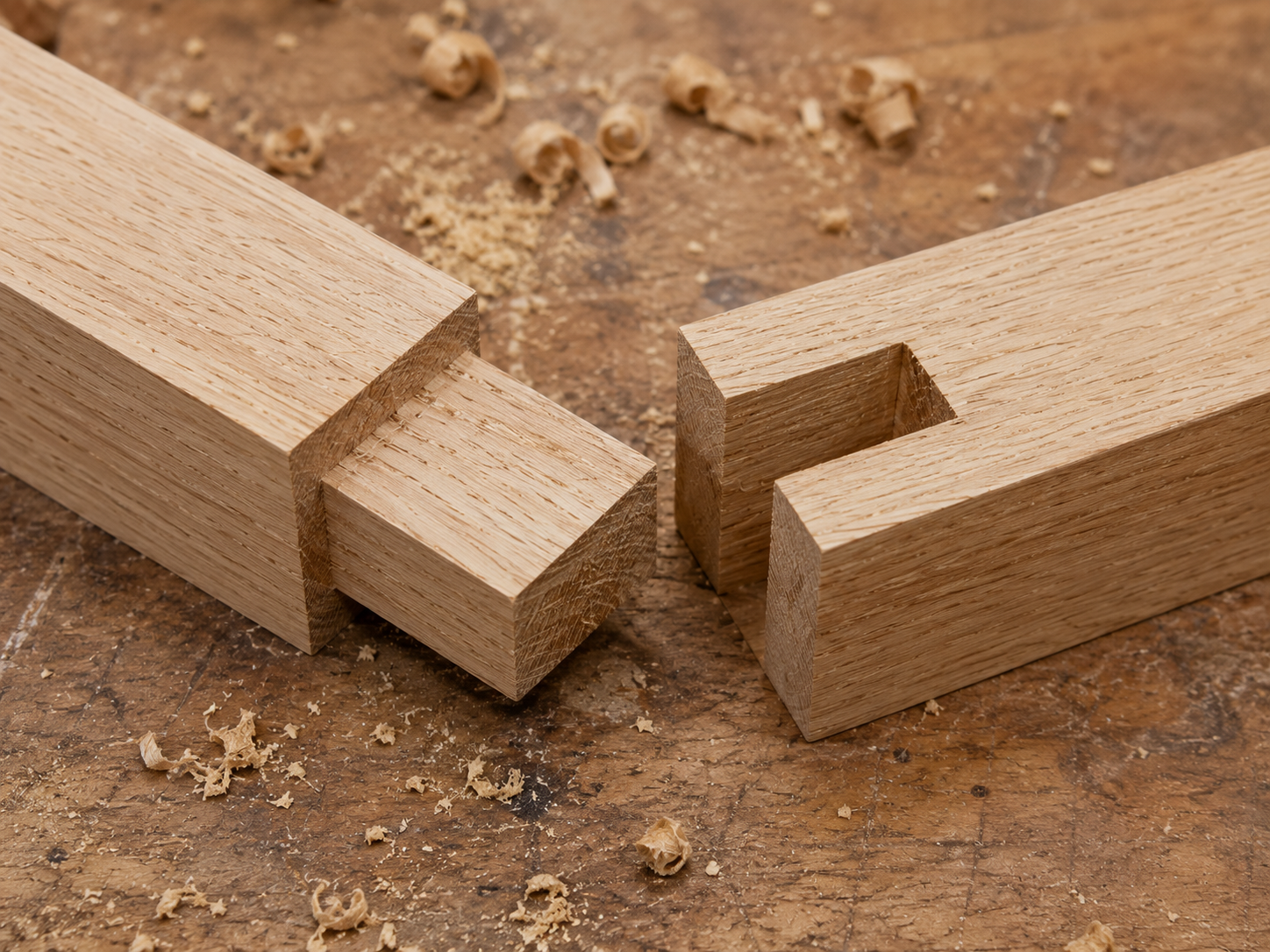
Layout and Marking
Always mark your lines using a wheel marking gauge rather than a pencil. The blade cuts the wood fibers, providing a physical wall for your chisel to register and preventing tearout.
Read Full Tutorial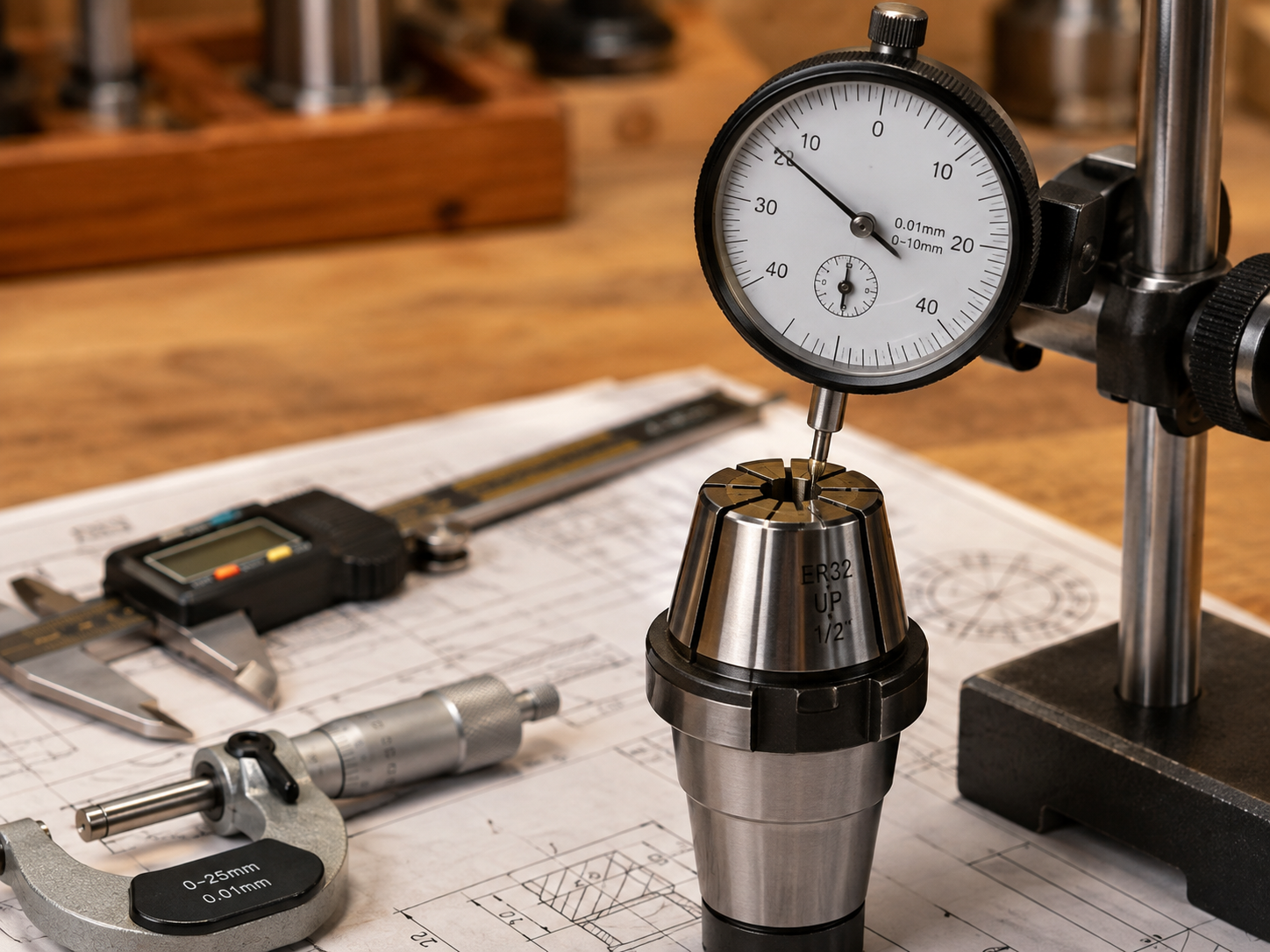
Objective Bench Tests
We measure tool runout down to 0.0001 inches to test structural rigidity.
How We Test and Rate Woodworking Tools
We believe tool reviews should be objective, repeatable, and scientific. We don't read manufacturer pamphlets; we measure real physical performance on the bench.
Runout & Deflection
We test shafts, spindles, and collets using dial gauges under lateral force to ensure accuracy in deep mortises.
Thermal Performance
Using infrared logging, we measure friction heat buildup that dulls carbide teeth and scorches cherry/maple timber.
Edge Retention
We check cutters under magnification after routing hundreds of feet of abrasive materials to log tooth degradation.
No Paid Sponsorships
We purchase every tool retail. We never accept free items, keeping our recommendations objective and clear.
The Faces Behind the Bench
Our credentials are built in the workshop and long-form craft journalism. No content farms—just two real people dedicated to tools.